Five key steps needed to deliver 1.2 million new homes by 2040
Ireland stands at a pivotal crossroads. With an expected population growth of 1 million people and predicted from a variety of independent sources the need for 1.0 to 1.4 million new homes by 2040, the urgency to transform how we plan, fund, and execute urban development has never been greater.
The scale of this challenge demands not just policy adjustments, but a bold reimagining of Ireland’s entire planning and housing delivery ecosystem. At the heart of Ireland’s housing crisis lies a legacy planning system—a discretionary, case-by-case process inherited from the British model.
This system, prioritising procedural compliance over actual planning, has resulted in fragmented, reactive, and inefficient urban development.
Local authorities, often under-resourced and overburdened, are more focused on controlling applications than on proactively designing the future of Irish towns and cities.
This outdated model has produced severe consequences: chronic housing shortages, opaque rental markets, delayed infrastructure delivery, investor withdrawal, and mounting social pressure on both urban and rural communities. Critically, this has also diminished the appeal of Ireland as a destination for international capital, as developers and investors cite high levels of risk and unpredictability in project approvals.
In stark contrast, many European countries deploy an “integrated planning system,” where local governments take a leadership role in pre-designing urban areas with clear zoning, infrastructure layouts, street networks, public amenities, and sustainability measures—all before a single building permit is issued.
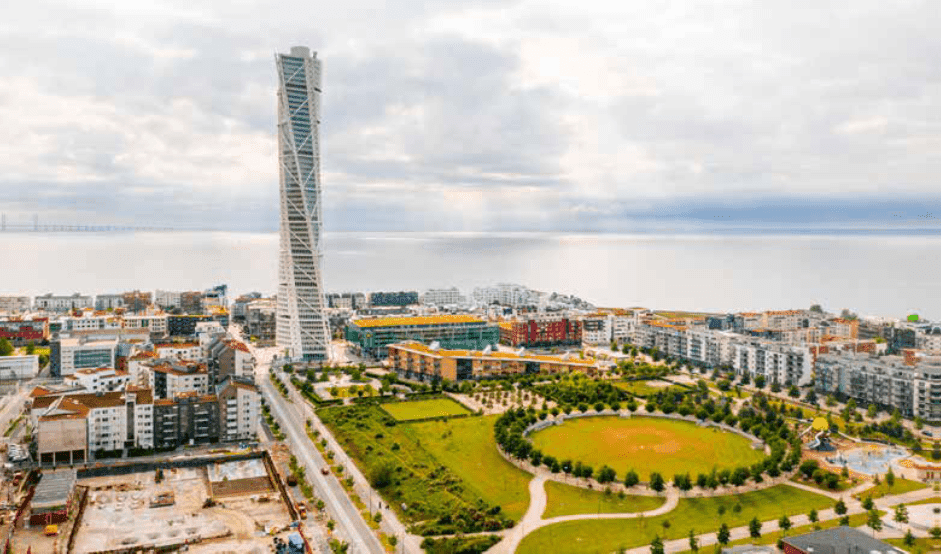
Recent study visits by Irish planners and urbanists to cities like Copenhagen, Stockholm, Hamburg and Helsinki revealed a high-functioning urban ecosystem: one where multi-disciplinary teams (urban designers, architects, engineers, planners) work in lockstep to deliver entire neighbourhoods in synchrony with long-term national growth plans.
These cities actively maintain up to fifty concurrent Local Area Urban Development Masterplans, each tied to 10–30-year strategic timelines.
Meanwhile, Ireland lacks finalized urban plans for areas that are expected to support major growth by 2025. This planning deficit is both embarrassing and unsustainable. However, emerging legislative tools—particularly the new Urban Development Zones (UDZs) introduced in the Planning and Development Act 2024—offer a once-in-a-generation opportunity to rewire our housing delivery mechanisms.

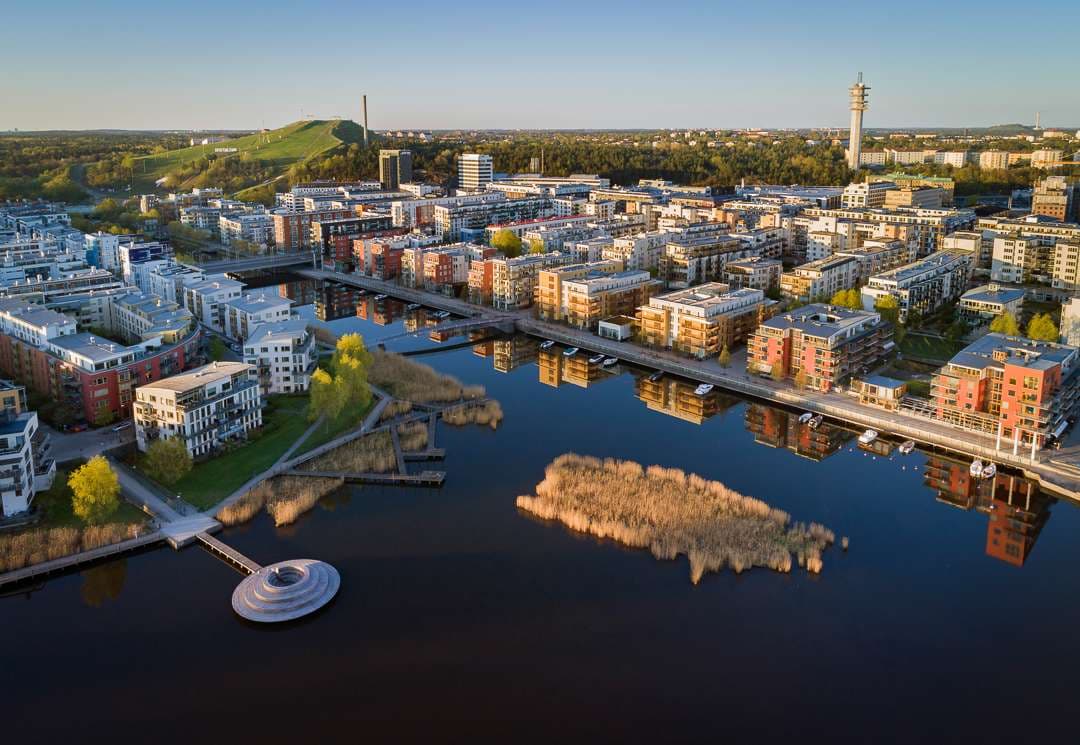
Fig 1: Stockholm-Hammarby — integrated sustainable urban district in Sweden.
The UDZ framework represents a seismic shift in Irish planning philosophy. Rooted in European practice, UDZs encourage local authorities to plan holistically for large-scale development. Once an area is designated as a UDZ, it becomes eligible for fast-tracked, integrated planning that coordinates residential, transport, utilities, green space, and commercial development at scale.
To unlock the full potential of UDZs and meet the 1.2 million homes target by 2040, the following actions must be urgently undertaken:
1. Immediate Designation of Urban Development Zones
The government should prioritize the immediate designation of at least 20 UDZs across key urban and regional centres: Dublin, Cork, Limerick, Galway, Waterford, Sligo, and a new urban extension of Athlone. These zones should be chosen for their ability to support high-density, mixed-use development, and for proximity to strategic FDI (Foreign Direct Investment) infrastructure sites supported by the IDA.
These zones should be fast-tracked using emergency legislation to circumvent traditional bureaucratic delays that could otherwise stall implementation for 3 to 10 years.
2. Centralised Expertise and Resources
The Accelerating Infrastructure Taskforce must oversee the appointment of 10–15 national and international urbanist consultants, architects, and master planners to work directly with local authorities. This cohort would:
- Assist with the preparation of detailed 3D masterplans.
- Ensure cross-sectoral integration of housing, transport, energy, water, and wastewater.
- Provide Continuing Professional Development (CPD) for local planning teams.
This hybrid public-private effort is crucial to overcome the chronic under-resourcing of Ireland’s local planning departments.
3. A Phased Housing Delivery Programme
A structured delivery plan could target the following:
- 20 UDZs to be planned and launched in 2025
- 10 UDZs to be commenced annually from 2026 to 2040
Using this model, half of the government’s 300,000-home target by 2030 could be delivered via UDZs, with the ultimate goal of 75% of the 1.2 million homes delivered through UDZs by 2040.
This strategy aligns not just with housing demand, but also with Ireland’s economic, social, and environmental objectives.

Diagram A: Table indicating Housing Delivery Solutions Short and Long Term UDZ & Traditional Delivery 2025-2040
4. Integrated Infrastructure Planning
Housing delivery cannot occur in a vacuum. Each UDZ must be developed in parallel with the Accelerated Infrastructure Taskforce proposed critical infrastructure networks—transportation corridors, energy grids, digital infrastructure, and climate resilience systems. Masterplans should be published in accessible 3D formats to enhance transparency and public engagement, and to build trust among communities and investors.
5. Cultural and Institutional Reform
No amount of policy can overcome the challenge of a risk-averse, siloed civil service unless Ireland’s institutional culture also evolves. The Departments of Housing, Public Expenditure, and Enterprise must collaborate to embed a new results-driven mindset. Leadership from ministers and secretaries general will be crucial to setting and maintaining this new national development ethos.
Ireland is facing a housing emergency with deep implications for economic competitiveness, social cohesion, and environmental sustainability. In many ways, the situation mirrors the transformative challenges Ireland faced in the late 1950s—a time when bold decisions by Lemass and Whitaker paved the way for long-term national renewal.
Today, the delivery of 1.2 million homes is not just a target—it is a test of Ireland’s ability to plan, execute, and sustain its future. Through integrated planning, empowered local authorities, and centralized expertise, Urban Development Zones may very well be the engine that drives this next chapter.
Failing to act, on the other hand, is not just a missed opportunity—it’s a failure we can no longer afford.

Fig 2: Nordhavn, Copenhagen — modern sustainable district. Credit: Photographer: Rasmus Hjorthshoj. Architects: Cobe, Sleth and Polyform